
Hundreds of high school students explored the future of artificial intelligence, computational science, and engineering this summer through the AI Institute for Advances in Optimization’s (AI4OPT) Seth Bonder Program in Computational and Data Science for Engineering.
Designed to introduce students to real-world applications of AI, optimization, data science, and computational thinking, the 2026 summer program provided students with hands-on experiences ranging from Python programming and deep learning to generative AI, agentic AI, and power grid simulation.
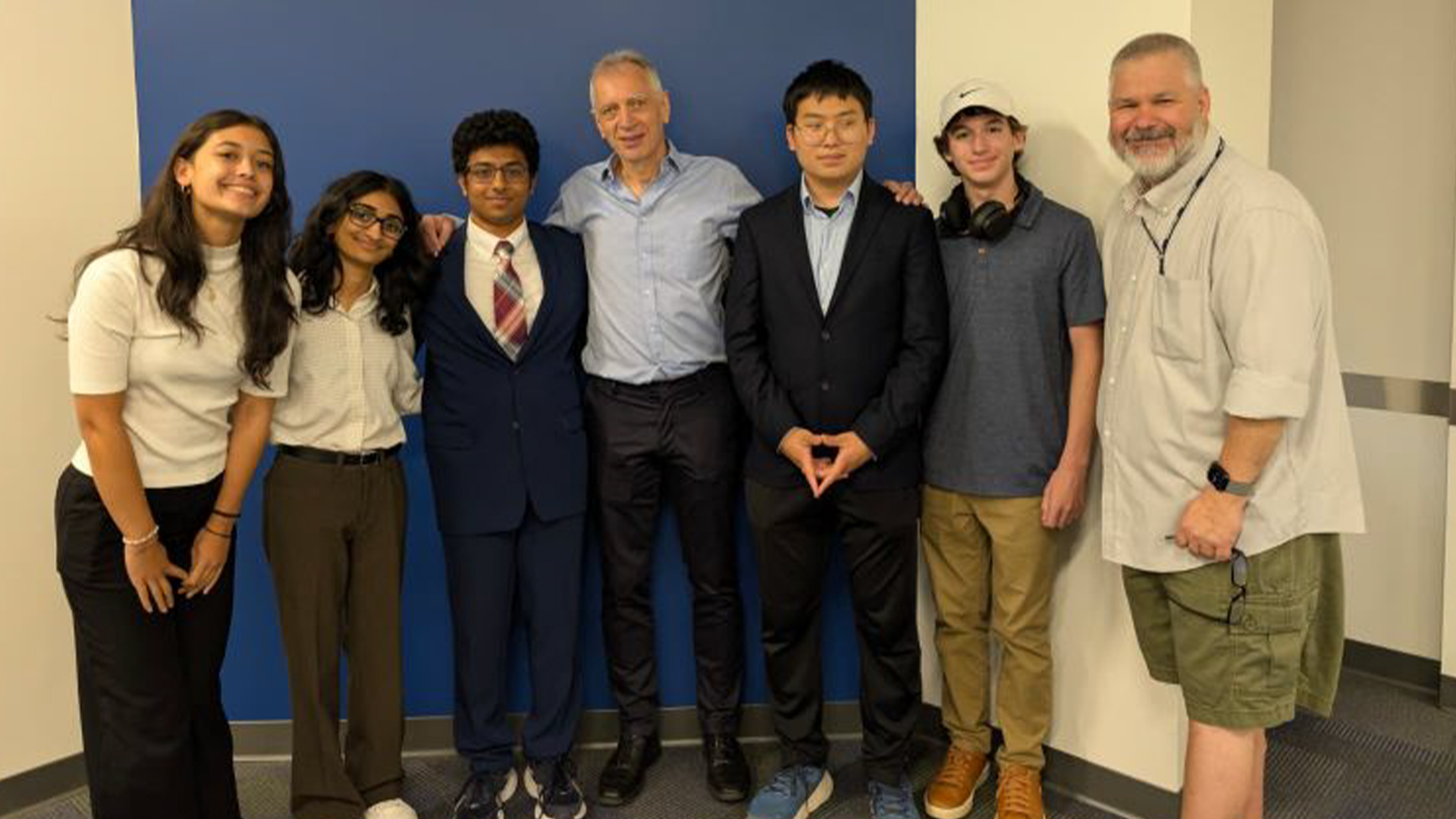
“The camps are really an incredible team effort,” said Pascal Van Hentenryck, Director of AI4OPT. “They are supervised by Michael Butros and an amazing set of mentors who have taken all the camps before and are incredible assets to the program. They are game changers, and I would like to express my deep gratitude to them for their talent, energy, and great spirits.”
“Our Seth Bonder Camps continue to be a major success, and this year we expanded the program with new offerings, including a Deep Learning Camp,” said Michael Butros, AI4OPT Director of Education.
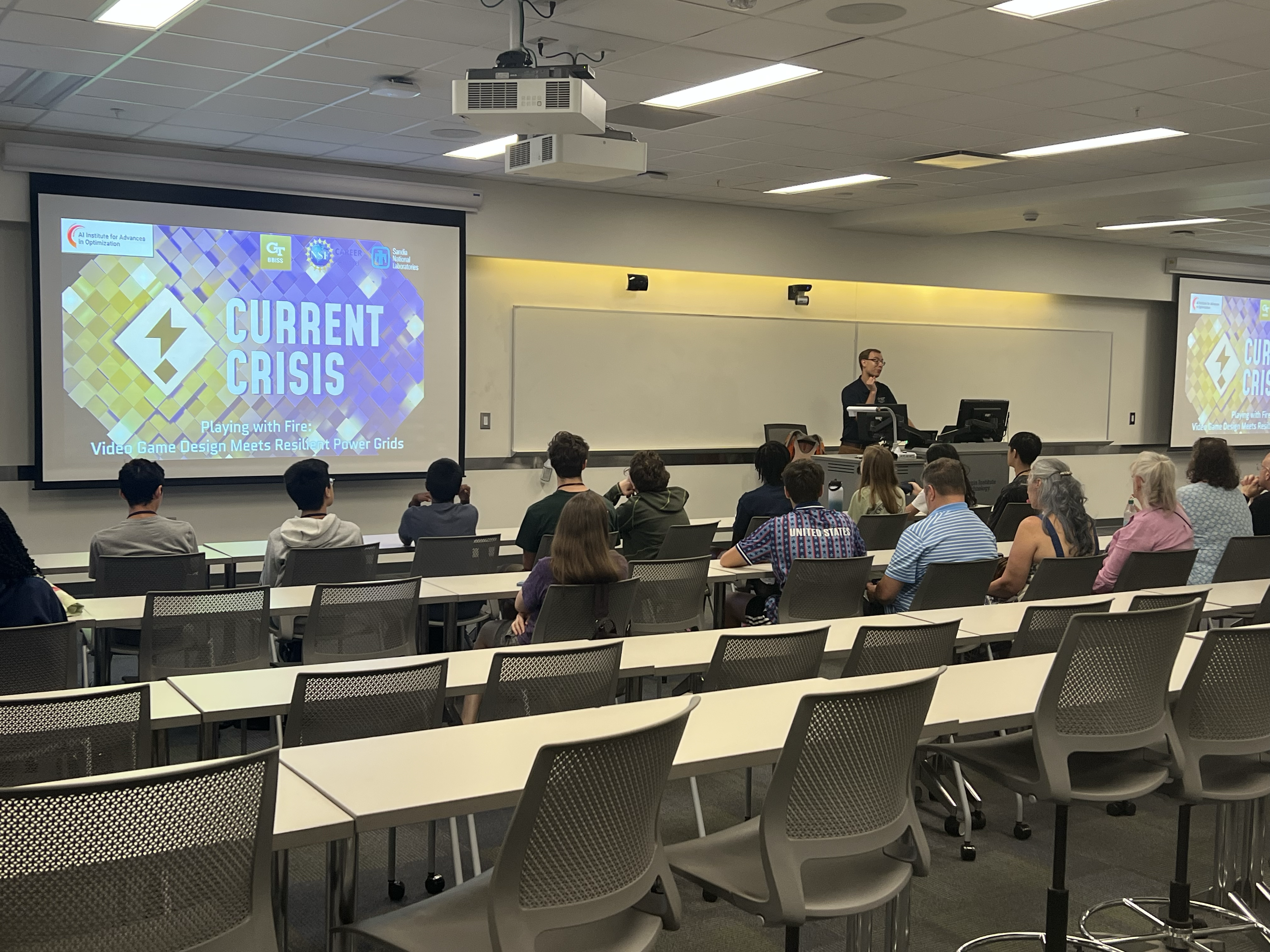
This year’s program featured four camp experiences designed to meet students at different stages of their AI journey:
Building Foundations in Data Science and AI
- Level 2: Introduction to Data Science in Python camp, held June 8–12, introduced students to computational and data science through applications in machine learning, optimization, computational social science, and genomics. Students learned how programming and data-driven methods can be applied to solve meaningful problems.
- Level 3: Introduction to Deep Learning in Keras camp, held June 22–26, advanced students’ understanding of AI by exploring neural networks and deep learning applications. Students built on their Python knowledge while gaining experience developing AI models using modern tools.
- Level 4: Generative AI and Agentic AI camp, held July 20–24, represented the program’s most advanced offering. Students explored the foundations and applications of emerging AI technologies, including generative models and AI agents, preparing them to think critically about the next generation of intelligent systems.
Connecting AI With Real-World Challenges
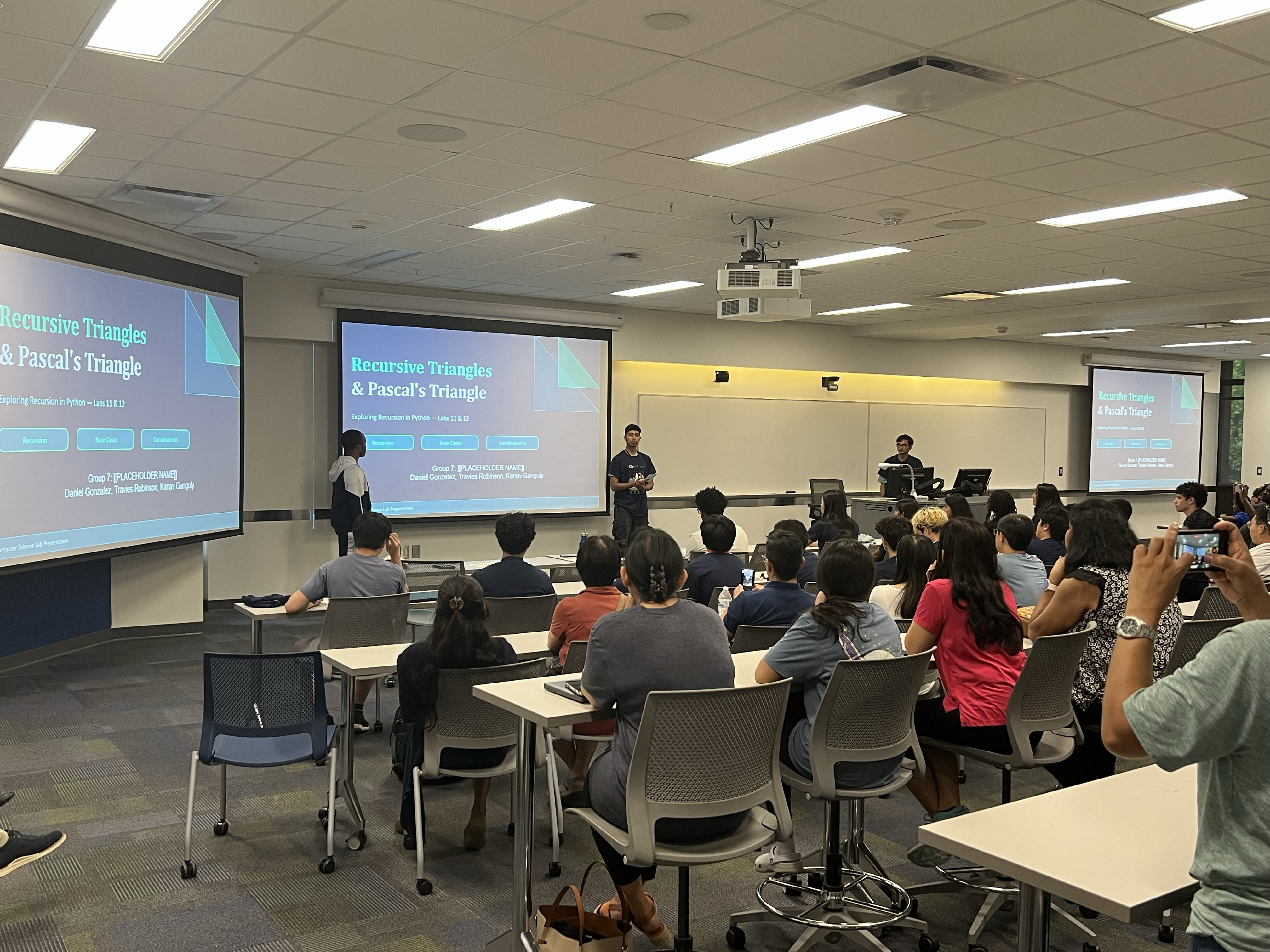
New this year, the “Playing with Fire: Video Game Design Meets Resilient Power Grids” camp, held July 6–10, introduced students to the intersection of game design, artificial intelligence, and energy systems.
Developed through a Georgia Tech Vertically Integrated Project (VIP) team, the experience used the video game Current Crisis to teach students about electric power grids through interactive simulations and hands-on activities.
Through each camp, students gained more than technical skills—they developed the confidence to apply AI concepts to challenges across science, engineering, and society.
Creating Access to the Future of AI
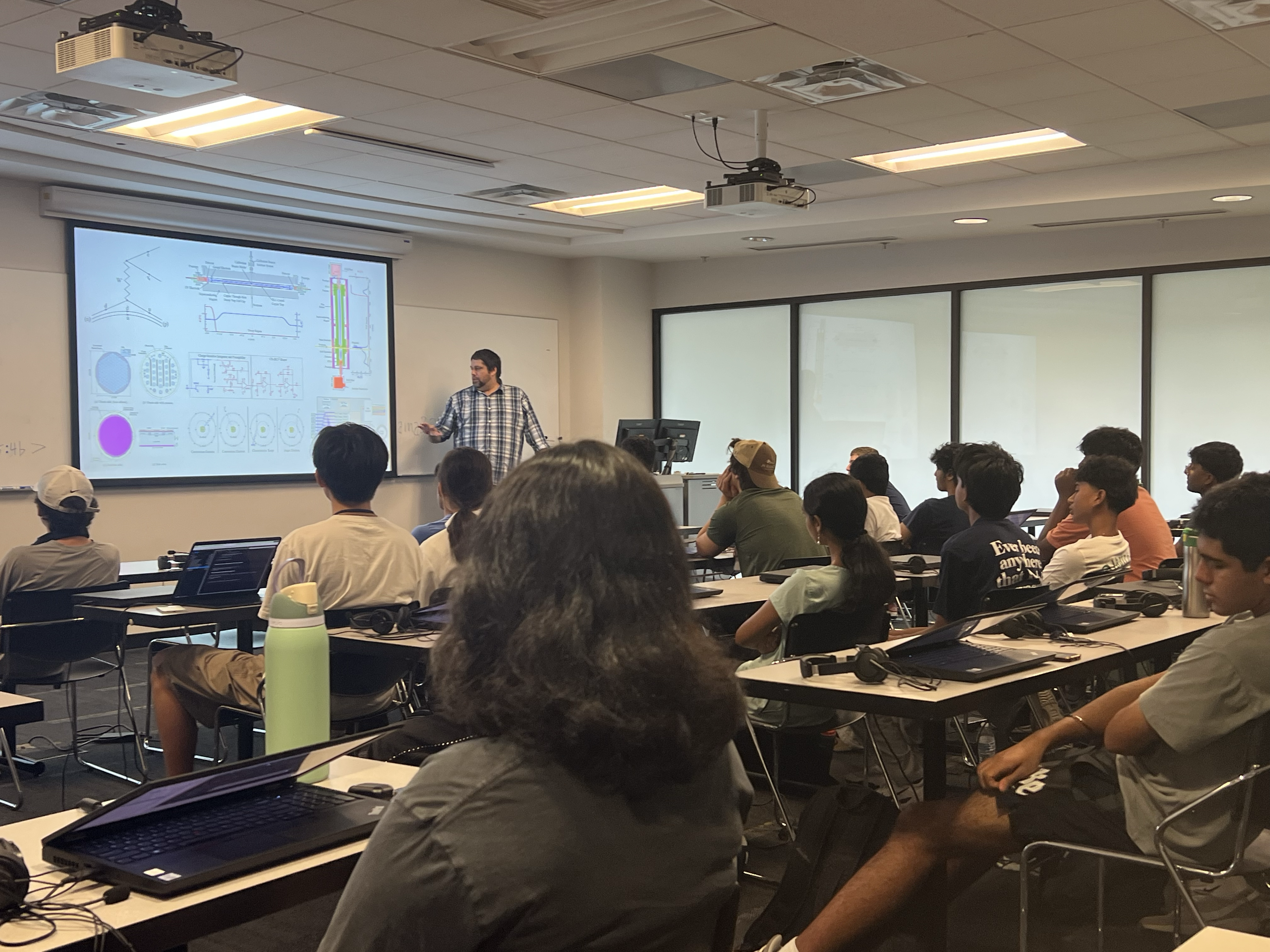
A key component of this year’s camps was providing students access to advanced computational resources typically reserved for university researchers and industry professionals.
Through partnerships with Georgia Tech’s AI Makerspace and PACE (Partnership for an Advanced Computing Environment), students were able to engage with powerful computing infrastructure, including NVIDIA H200 GPUs, while working through AI-focused curriculum.
“AI can be a great equalizer,” said Aaron Jezghani, PACE Sr. Research Scientist. “But for this to be achieved, we have to share the appropriate tools and knowledge and empower people to leverage them.”
By lowering barriers to participation and creating accessible learning environments, AI4OPT’s Seth Bonder Camps are helping prepare the next generation of AI researchers, engineers, and innovators.
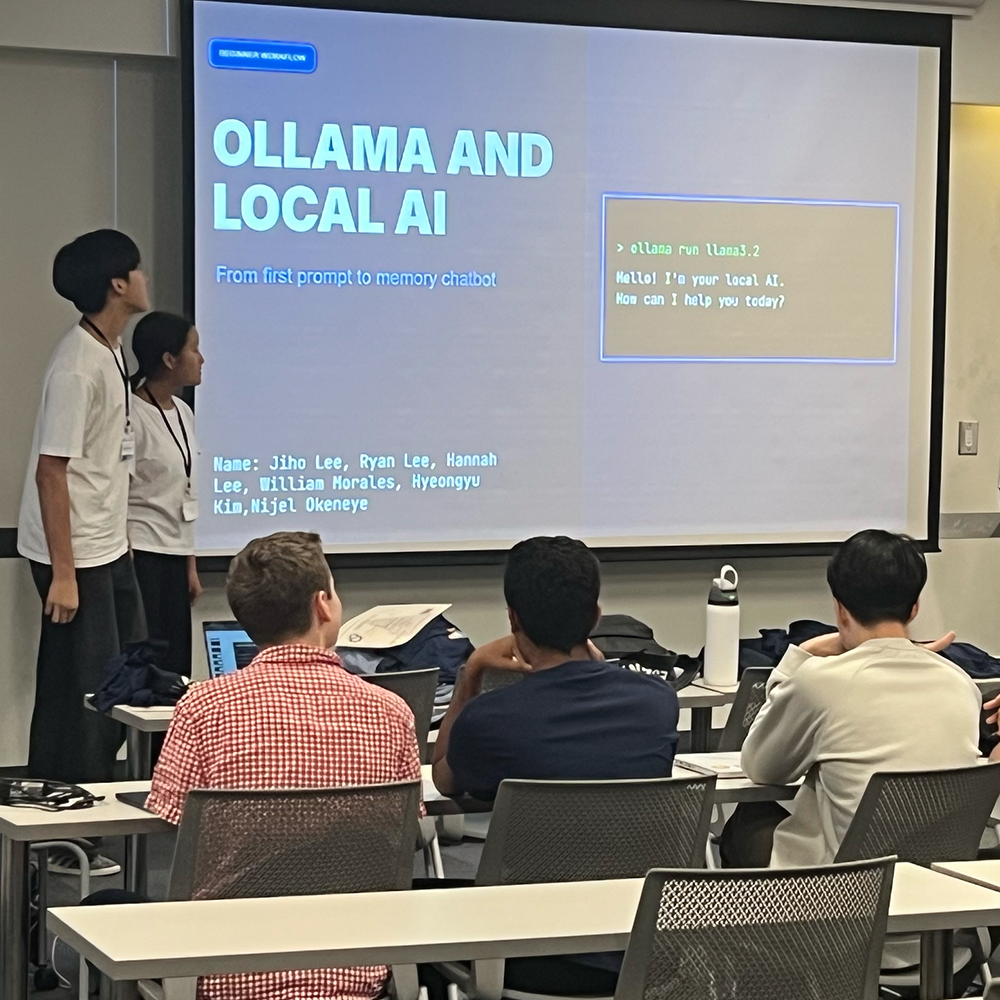
Students participates in the Seth Bonder Camp 2026

